
Aerospace Manufacturing ERP Requirements
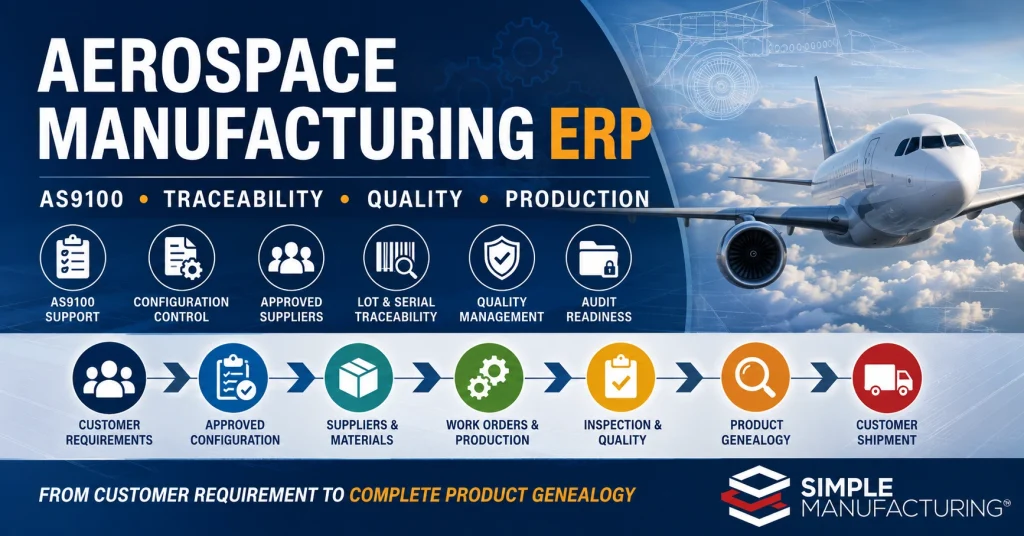
Learn which ERP capabilities aerospace manufacturers need to support AS9100 compliance, supplier quality, document control, lot and serial traceability, corrective actions, manufacturing genealogy, and audit readiness.
What Is Shop Floor Tracking in ERP Software?
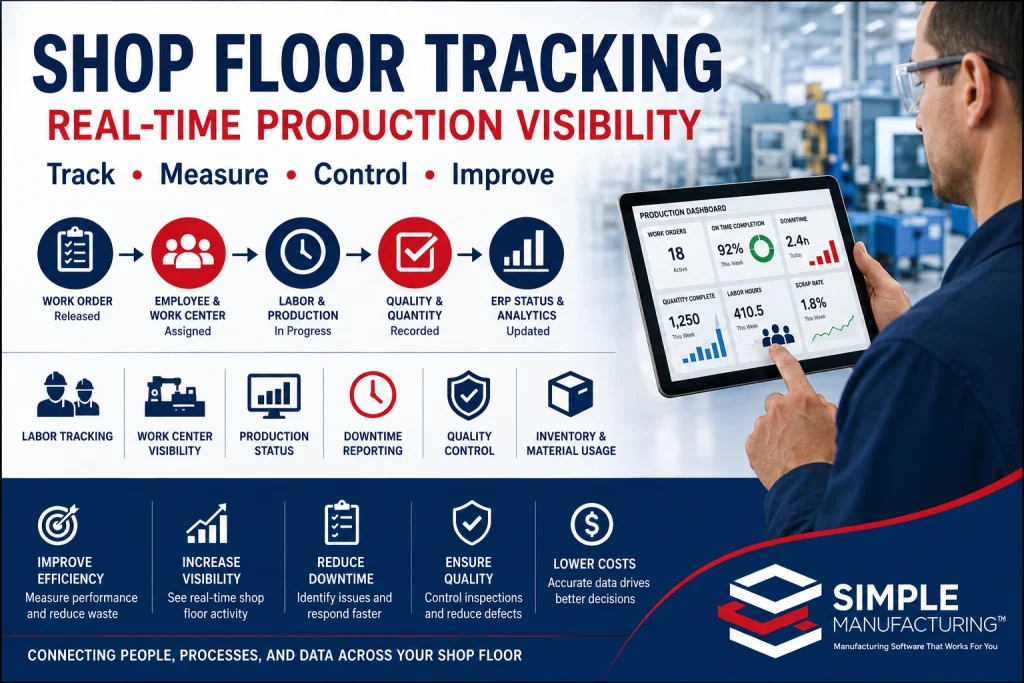
Learn how shop floor tracking captures production activity, labor, quantities, downtime, materials, quality, and Work Order progress while providing real-time manufacturing visibility throughout the ERP system.
What Is MRP? Material Requirements Planning for Manufacturers
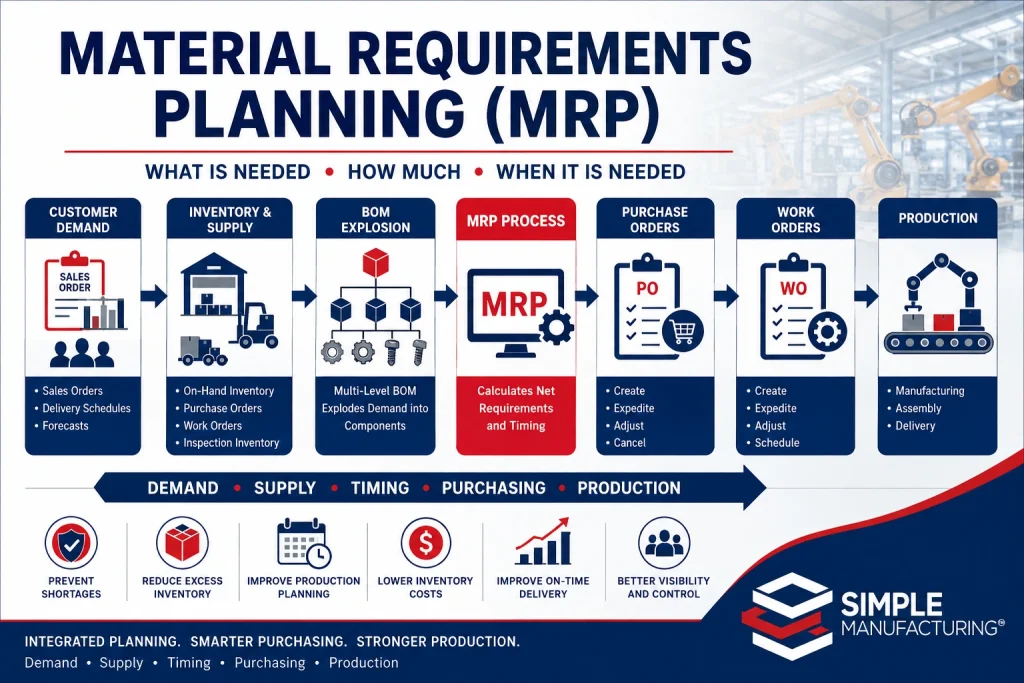
Understand how Material Requirements Planning uses demand, inventory, Bills of Materials, lead times, purchasing, and production data to calculate what materials are needed and when.
Manufacturing Work Orders in ERP Software: Purpose, Process, and Benefits
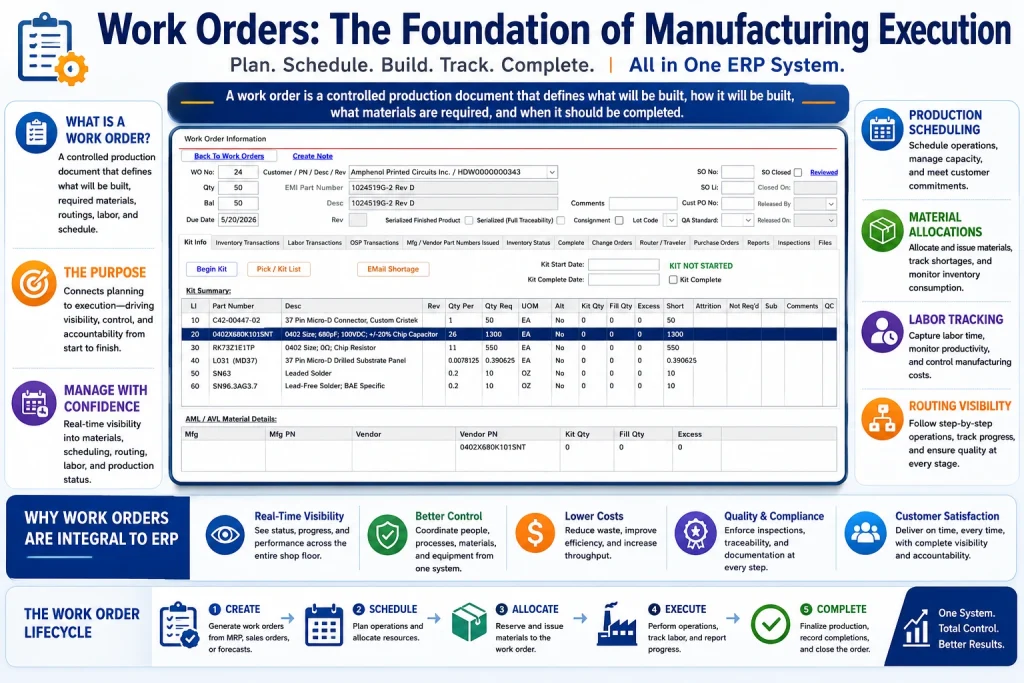
Learn how manufacturing Work Orders connect product demand with BOM materials, routing operations, scheduling, labor, quality, inventory, traceability, actual costing, and finished-goods completion.
Quality Clauses in Customer Purchase Orders: Manufacturing Requirements and Contract Review
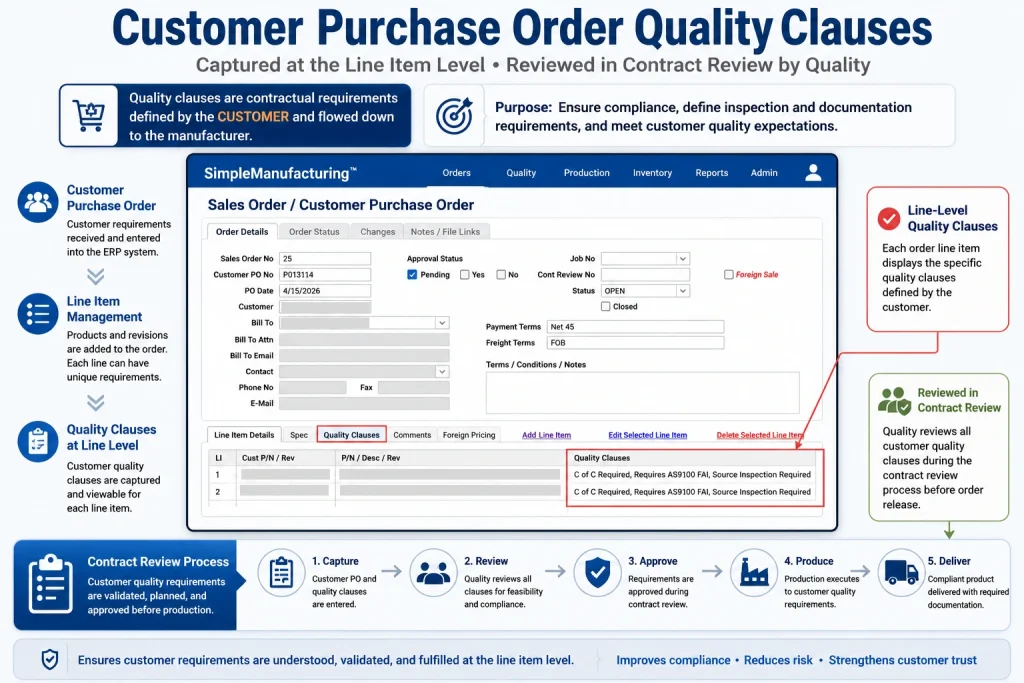
Learn how manufacturers identify, review, document, and fulfill customer Purchase Order quality clauses involving revisions, certifications, inspections, traceability, approved suppliers, packaging, and regulatory requirements.
FIFO Inventory Costing for Manufacturing
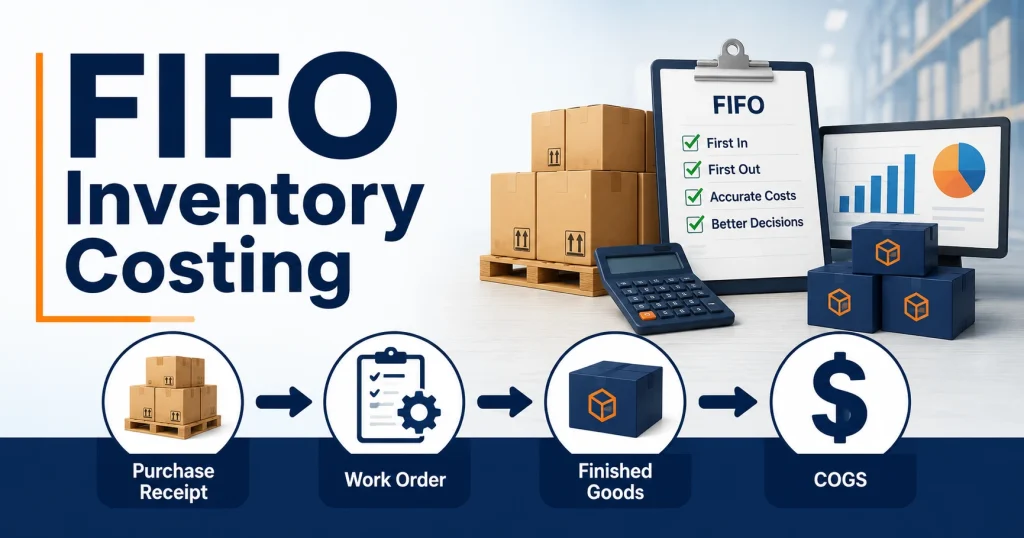
Understand how FIFO inventory costing preserves individual receipt costs, issues the oldest available material first, supports traceability, and improves inventory valuation, Work Order costing, and financial reporting.
How SimpleManufacturing™ Calculates Actual Work Order Costs
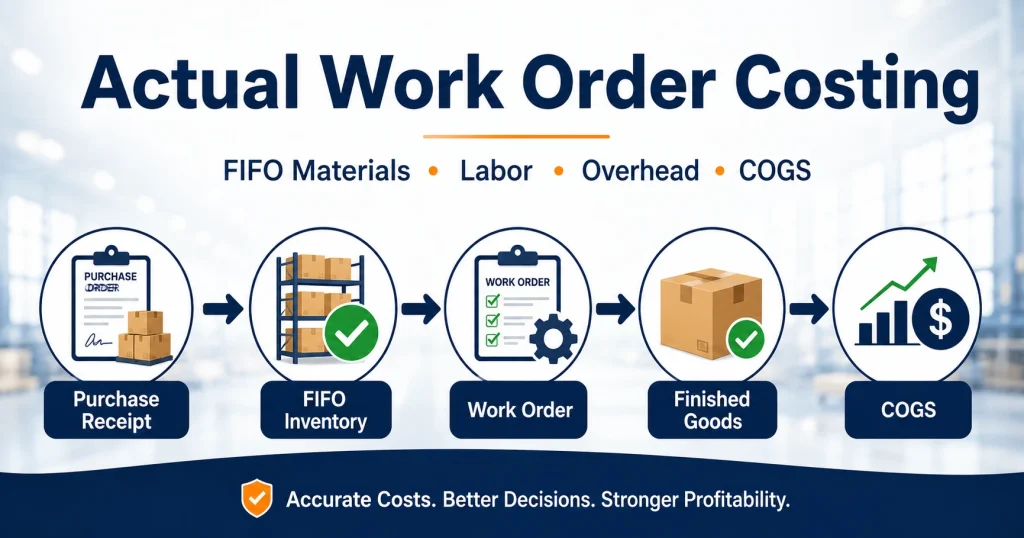
Discover how actual material, labor, outside-processing, machine, and overhead costs accumulate within a Work Order to determine finished-goods value, product profitability, and accurate Cost of Goods Sold.
Purchase Price Variance, Standard Cost, Last Cost and Actual Cost Explained

Compare standard, last, average, and FIFO actual costing methods and learn how purchasing-price changes affect inventory valuation, manufacturing costs, Purchase Price Variance, and financial reporting.
What Is a Bill of Materials (BOM)?
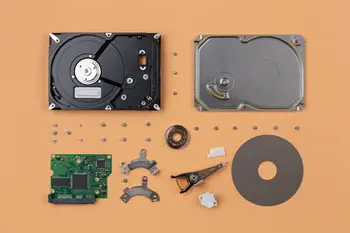
Learn how a manufacturing Bill of Materials organizes components, subassemblies, quantities, revisions, instructions, and product structure to support purchasing, inventory planning, production, costing, and traceability.
Manufacturer Part Numbers vs. Vendor Part Numbers: Why the Difference Matters
Understand the difference between manufacturer and vendor part numbers and learn how ERP systems connect multiple suppliers, purchasing relationships, approved sources, and traceability to one controlled item record.