
Purchase Orders in Manufacturing Software: Complete Guide for Manufacturers
Become an expert in Purchase Orders within Manufacturing Software. Learn how manufacturers use Purchase Orders to control costs, manage supplier relationships, improve inventory accuracy, and streamline procurement activities.
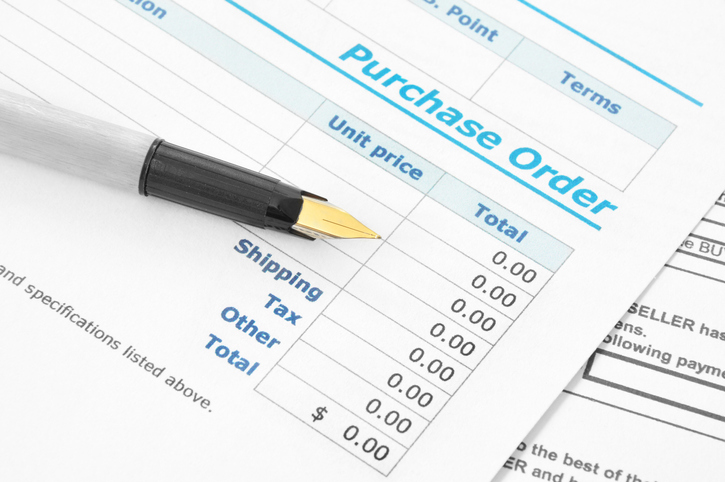
What Are Purchase Orders in SimpleManufacturing™?
A Purchase Order (PO) is a formal agreement between a buyer and a supplier for the procurement of goods or services. Purchase Orders serve as one of the most important business documents within manufacturing organizations because they establish a legally binding agreement between both parties and provide a clear record of purchasing expectations.
Within SimpleManufacturing™, Purchase Orders are used to manage procurement activities, track supplier commitments, monitor inventory replenishment, and control purchasing costs. They provide a structured method for communicating requirements while ensuring suppliers understand exactly what products or services are being ordered.
Modern manufacturing organizations rely heavily on Purchase Orders to maintain accurate inventory levels, support production schedules, and ensure that purchased materials meet quality and delivery expectations.
Purpose of a Purchase Order
Purchase Orders provide a detailed record of the products or services being purchased. They define quantity requirements, delivery expectations, pricing, specifications, terms and conditions, and supplier obligations.
The use of Purchase Orders benefits both the buyer and supplier by creating a common understanding of requirements and reducing misunderstandings that can result in delays, quality issues, or unexpected costs.
Benefits of Purchase Orders
- Improved supplier communication
- Accurate inventory replenishment
- Better cost control
- Legally documented agreements
- Reduced purchasing errors
- Supplier accountability
- Improved audit readiness
- Enhanced procurement visibility
- Improved manufacturing scheduling
- Better supplier relationships
How Are Purchase Orders Created?
SimpleManufacturing™ provides multiple methods for creating Purchase Orders depending on the needs of the organization.
Material Requirements Planning (MRP)
The most common method is through the Material Requirements Planning (MRP) process. MRP analyzes inventory levels, production schedules, open customer demand, and lead times to identify purchasing requirements automatically.
Once purchasing demand has been generated, buyers can create Purchase Orders directly from MRP recommendations.
Copy Existing Purchase Orders
For recurring purchases, users can copy previous Purchase Orders to eliminate repetitive data entry and improve purchasing efficiency.
Create From Scratch
Purchase Orders may also be created manually for unique purchasing requirements, non-inventory purchases, services, equipment, and special projects.
What Information Is Included In Purchase Orders?
Purchase Orders contain critical information required by both the buyer and supplier.
| Section | Purpose |
|---|---|
| Buyer Information | Company information, address, contact details, PO number and date. |
| Supplier Information | Vendor name, address, and contact information. |
| Line Items | Products, services, quantities, pricing and descriptions. |
| Delivery Information | Required delivery dates and schedules. |
| Terms & Conditions | Contractual purchasing requirements. |
| Summary Totals | Subtotals, taxes, freight, discounts and total cost. |
Unique Manufacturing Purchase Order Requirements
Manufacturing businesses have purchasing requirements that are far more complex than those found in traditional service industries or retail organizations. Materials, outsourced processes, quality requirements, customer specifications, and production schedules all contribute to the complexity of manufacturing procurement.
Manufacturing software must be capable of handling these specialized purchasing requirements while maintaining complete traceability and compliance with customer, industry, and regulatory expectations.

Scheduled Deliveries
One of the most common requirements within manufacturing purchasing is the ability to schedule deliveries over time.
Rather than receiving an entire order at once, manufacturers frequently request staggered deliveries to align with production schedules and inventory management strategies.
For example, a Purchase Order for 1,000 units may require:
- 500 units delivered this month
- 500 units delivered next month
The ability to define multiple delivery schedules within a single Purchase Order improves inventory management, reduces storage costs, and supports lean manufacturing initiatives.
Manufacturer Part Numbers vs Supplier Part Numbers
Manufacturing organizations often purchase materials that are distributed by multiple suppliers. While the material may originate from a specific manufacturer, each supplier frequently assigns its own internal part number.
SimpleManufacturing™ allows organizations to track both:
- Manufacturer Part Number
- Supplier Part Number
This dual-part-number approach ensures that suppliers verify the correct material while allowing buyers to maintain consistency within their internal inventory system.
The result is improved traceability and reduced risk of receiving incorrect materials.
Purchased Units of Measure vs Inventory Units of Measure
Manufacturing businesses commonly purchase materials using units of measure that differ from how inventory is managed internally.
Examples include:
| Purchased As | Inventoried As |
|---|---|
| 1 Package of 10 Bolts | 10 Individual Bolts |
| 55 Gallon Drum of Adhesive | Ounces or Gallons |
| 12 Foot Aluminum Bar | 144 Inches |
SimpleManufacturing™ supports conversion between purchasing units and inventory units while maintaining accurate costing and inventory valuation.
Taxable Items
Many manufacturing companies purchase materials and services that qualify for tax exemptions because they are directly used in the production of finished goods.
Purchase Order software should allow users to identify whether line items are:
- Taxable
- Tax Exempt
This capability ensures accurate tax calculations and supports compliance with state and local tax regulations.
Specifications and Standards
Many purchased materials and outsourced services must comply with specific standards, specifications, or customer requirements.
Examples include:
- ASTM Specifications
- MIL Specifications
- Customer Specifications
- Industry Standards
- Material Certifications
- Regulatory Requirements
Including specifications directly within Purchase Orders ensures suppliers clearly understand all quality and compliance expectations.
Quality Clauses
Quality Clauses are increasingly common within manufacturing procurement processes, particularly in aerospace, defense, electronics, medical device, and ISO-certified organizations.
Quality Clauses communicate additional requirements that suppliers must satisfy before products are accepted.
Common Quality Clauses
- Certificate of Conformance Required
- Material Certifications Required
- Serialization Required
- First Article Inspection Required
- No Partial Shipments Allowed
- Customer Source Inspection Required
- Early Deliveries Accepted Within Defined Window
- Special Packaging Requirements
SimpleManufacturing™ allows Quality Clauses to be applied at either:
- Individual Line Item Level
- Entire Purchase Order Level
This flexibility ensures requirements are communicated clearly and consistently to suppliers.
File Attachments and Supporting Documentation
Manufacturing procurement often requires the exchange of technical documents that define exactly what must be produced or supplied.
Examples include:
- Engineering Drawings
- CAD Files
- Bills of Material (BOM)
- Specifications
- Statements of Work
- Emails
- Photographs
- Customer Requirements
- Quality Documents
SimpleManufacturing™ allows unlimited electronic files to be attached directly to Purchase Orders or individual line items.
This eliminates confusion and ensures suppliers always have access to the latest requirements.
Benefits of Electronic Purchase Order Management
Electronic Purchase Order management significantly improves procurement performance by reducing paperwork, increasing visibility, and improving communication between buyers and suppliers.
- Faster purchasing cycles
- Reduced manual data entry
- Improved supplier communication
- Complete audit history
- Better inventory planning
- Reduced purchasing errors
- Improved cost tracking
- Enhanced compliance management
- Centralized purchasing records
- Improved supplier accountability
Common Purchasing Challenges Solved By Manufacturing Software
Without integrated manufacturing software, purchasing departments often struggle with disconnected spreadsheets, email chains, and paper-based purchasing processes.
Common challenges include:
- Missed delivery dates
- Supplier communication errors
- Incorrect material purchases
- Inventory shortages
- Duplicate purchases
- Lack of purchasing visibility
- Manual approval processes
- Poor supplier performance tracking
SimpleManufacturing™ centralizes purchasing information and automates many of these processes to improve efficiency and reduce risk.
Why Manufacturers Need Integrated Purchasing Software
Purchasing does not operate independently within a manufacturing environment. Purchasing activities directly affect inventory availability, production scheduling, material planning, cost control, supplier performance, and ultimately customer satisfaction.
An integrated manufacturing software solution allows Purchase Orders to be connected directly to:
- Material Requirements Planning (MRP)
- Inventory Management
- Bills of Material (BOM)
- Production Scheduling
- Supplier Management
- Receiving Inspection
- Quality Management Systems
- Accounts Payable
- Cost Accounting
This integration eliminates duplicate data entry, improves accuracy, and provides complete visibility across the entire procurement process.
Typical Purchase Order Workflow
A structured Purchase Order process helps organizations maintain control over purchasing activities while ensuring required materials and services are available when needed.
| Step | Description |
|---|---|
| 1 | Identify purchasing requirement through MRP or manual request. |
| 2 | Create Purchase Order. |
| 3 | Obtain internal approvals if required. |
| 4 | Transmit Purchase Order to Supplier. |
| 5 | Supplier acknowledges requirements and delivery schedule. |
| 6 | Materials or services delivered. |
| 7 | Receive and inspect goods. |
| 8 | Update inventory and accounting records. |
| 9 | Match supplier invoice and process payment. |
Purchase Order Best Practices
Organizations that consistently achieve strong supplier performance and inventory accuracy typically follow several procurement best practices.
- Create Purchase Orders electronically.
- Standardize supplier communication.
- Use approved supplier lists.
- Include complete specifications and quality requirements.
- Track supplier on-time delivery performance.
- Review purchasing demand using MRP.
- Maintain revision-controlled purchasing documents.
- Perform regular supplier evaluations.
- Track purchasing metrics and trends.
- Integrate purchasing with inventory and production planning.
Purchase Order Metrics Every Manufacturer Should Track
Purchasing performance should be measured continuously using objective business metrics.
| Metric | Purpose |
|---|---|
| On-Time Delivery | Measures supplier delivery performance. |
| Purchase Price Variance | Tracks cost fluctuations over time. |
| Supplier Quality Rating | Measures incoming material quality. |
| Purchase Order Cycle Time | Measures procurement efficiency. |
| Inventory Availability | Ensures required materials are available. |
| Supplier Responsiveness | Measures communication effectiveness. |
How Purchase Orders Support ISO 9001 and AS9100 Compliance
Organizations operating under ISO 9001, AS9100, and similar quality management standards must demonstrate control over externally provided products, services, and processes.
Purchase Orders serve as critical evidence that supplier requirements have been clearly communicated and controlled.
Purchase Orders can document:
- Supplier Requirements
- Quality Expectations
- Industry Standards
- Customer Requirements
- Inspection Requirements
- Certification Requirements
- Delivery Commitments
- Traceability Requirements
Maintaining complete Purchase Order records significantly simplifies audit preparation and compliance verification.
Why Choose SimpleManufacturing™ for Purchase Order Management?
SimpleManufacturing™ provides a comprehensive Purchase Order management solution specifically designed for manufacturing, aerospace, electronics, machine shop, and service organizations.
Unlike generic accounting software or basic purchasing systems, SimpleManufacturing™ was developed around the real-world needs of manufacturers.
Key Features Include:
- MRP-Driven Purchasing
- Purchase Order Templates
- Copy Existing Purchase Orders
- Scheduled Deliveries
- Manufacturer and Supplier Part Number Tracking
- Unit of Measure Conversions
- Quality Clause Management
- Specification Management
- Supplier Performance Metrics
- File and Drawing Attachments
- Receiving Integration
- Inventory Integration
- Cost Tracking
- Supplier History
- Complete Audit Trail
The result is a streamlined purchasing process that improves supplier communication, increases inventory accuracy, reduces purchasing errors, and supports business growth.
Frequently Asked Questions About Purchase Orders
What is a Purchase Order?
A Purchase Order is a legally binding document issued by a buyer to a supplier that defines the goods or services being purchased, quantities, prices, delivery requirements, and purchasing terms.
Why are Purchase Orders important in manufacturing?
Purchase Orders provide clear communication of requirements, improve inventory control, support supplier management, and create traceable purchasing records.
Can Purchase Orders be generated automatically?
Yes. SimpleManufacturing™ can automatically generate purchasing recommendations through its Material Requirements Planning (MRP) module.
Can files and drawings be attached to Purchase Orders?
Yes. Unlimited files, drawings, specifications, and supporting documents can be linked to Purchase Orders and individual line items.
Can Purchase Orders support quality requirements?
Yes. Specifications, quality clauses, certifications, inspection requirements, and customer requirements can all be incorporated into Purchase Orders.
Ready to Improve Purchasing Efficiency and Supplier Performance?
Schedule a SimpleManufacturing™ Demonstration