
Hidden Costs of Inaccurate Inventory in Manufacturing | SimpleManufacturing
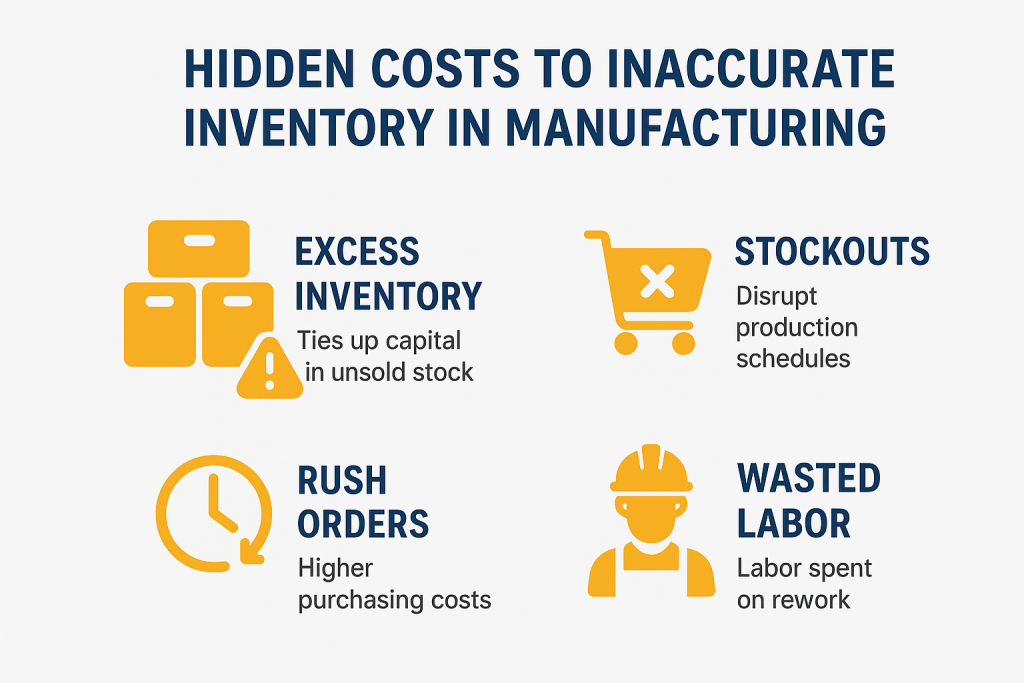
Hidden Costs of Inaccurate Inventory in Manufacturing Inaccurate inventory creates far more than occasional quantity discrepancies. It can cause production delays, excess purchasing, emergency freight, unreliable scheduling, inaccurate job costs, financial-reporting problems, and lost customer confidence. Manufacturing inventory supports purchasing, planning, production, quality, shipping, costing, and accounting. When the physical quantity does not match the […]
Approved Vendor Lists for ISO 9001 and AS9100 Supplier Control
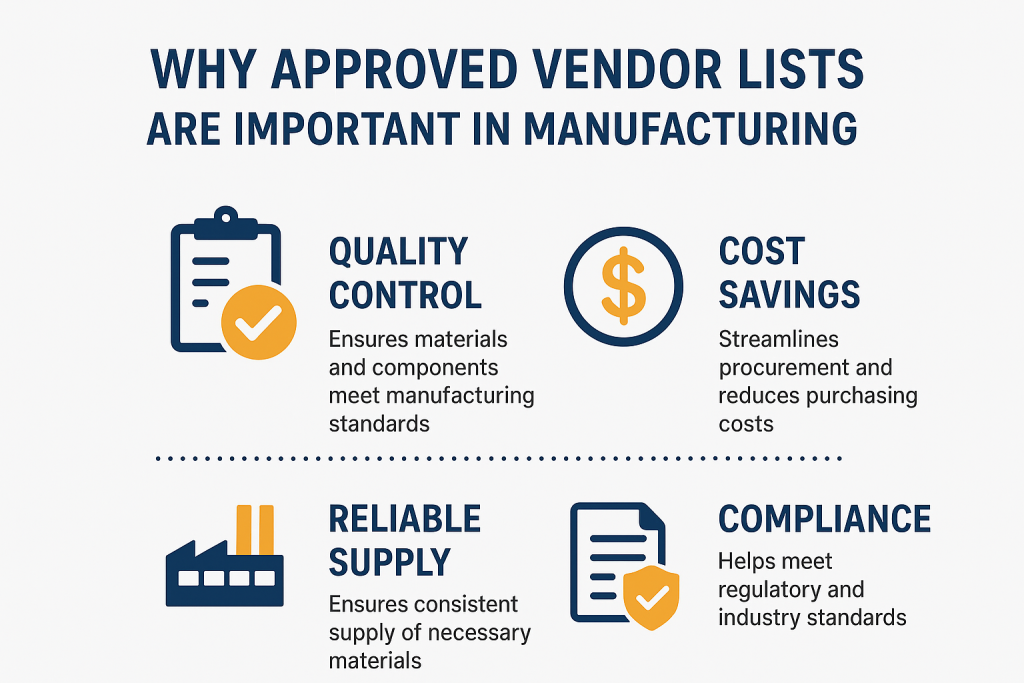
Approved Vendor Lists for ISO 9001 and AS9100 Supplier Control An Approved Vendor List helps manufacturers control which suppliers may provide materials, components, services, and outsourced processes. It also provides documented evidence that suppliers have been evaluated, approved, monitored, and periodically re-evaluated. Purchasing from an unqualified supplier can introduce defective material, counterfeit parts, late deliveries, […]
Why Manufacturers Are Moving Away from Web-Based ERP to Microsoft Access + SQL Server

Why Manufacturers Are Moving Away from Web-Based ERP to Microsoft Access + SQL Server Why Manufacturers Are Moving Away from Web-Based ERP to Microsoft Access + SQL Server For many small-to-mid manufacturers, the promise of web-based ERP — easy rollout, constant updates, and flashy dashboards — has collided with the realities of subscription costs, limited […]
Microsoft Access and SQL Server ERP vs. Web-Based ERP Software
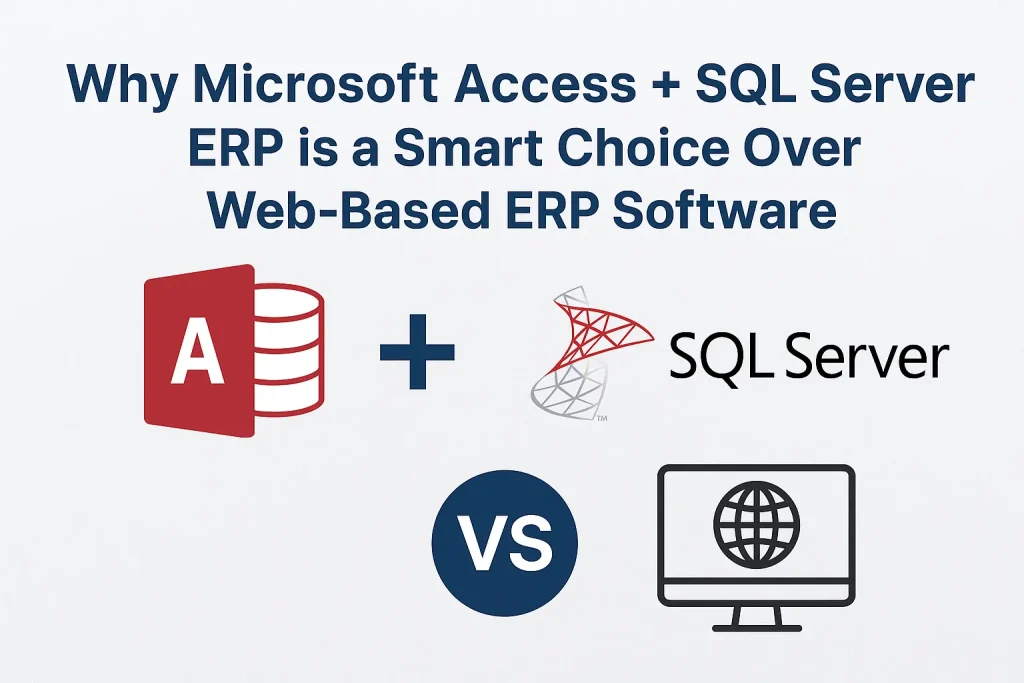
Microsoft Access and SQL Server ERP vs. Web-Based ERP Software Manufacturers evaluating ERP software often compare web-based subscription systems with locally installed or privately hosted solutions. Microsoft Access combined with SQL Server provides another option: a flexible ERP architecture with a familiar desktop interface, a reliable relational database, extensive customization capabilities, and direct control over […]
Intelligent Part Numbers in Manufacturing: Advantages and Disadvantages<
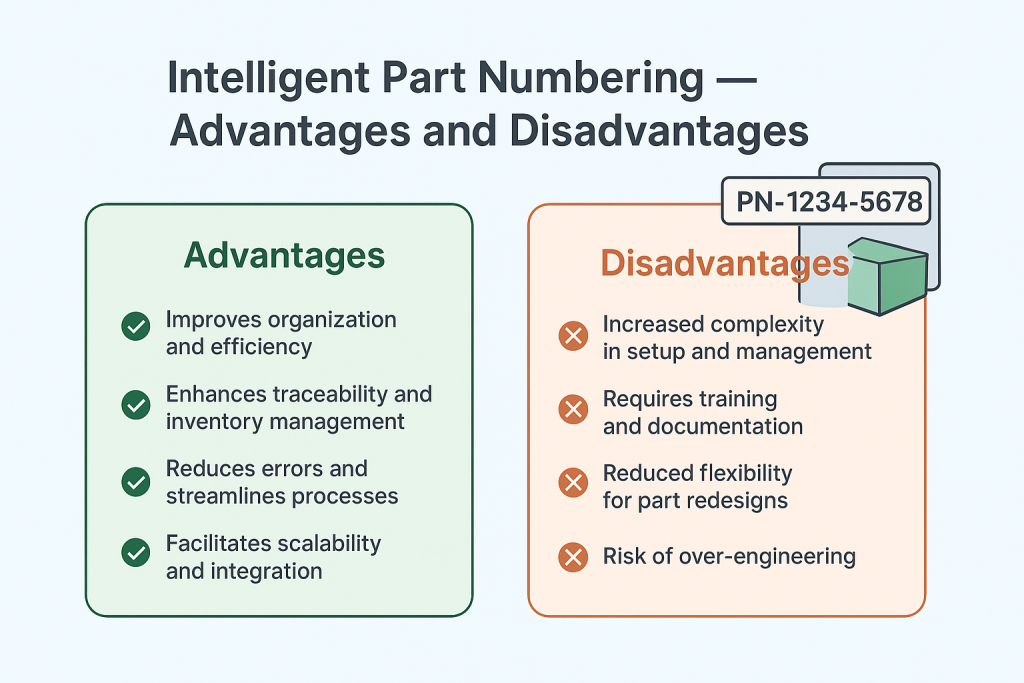
Intelligent Part Numbers in Manufacturing: Advantages and Disadvantages An intelligent part number uses a structured code to communicate information about an item, such as its product family, material, size, type, or revision. This can make part numbers easier for employees to recognize, but it can also create rigidity, ambiguity, and long-term data-management problems. Part numbers […]
Excel vs. ERP Software for Manufacturing
Excel vs. ERP Software for Manufacturing Excel is useful for calculations, lists, analysis, and temporary planning. It becomes much less effective when manufacturers use interconnected spreadsheets as the primary system for inventory, Bills of Materials, purchasing, Work Orders, production scheduling, quality, costing, and traceability. As manufacturing operations grow, spreadsheets often create duplicate entry, conflicting versions, […]
Employee Training Management Best Practices for Manufacturing

Learn About Employee Training within the Manufacturing Industry, Best Practices for Establishing Training Requirements, Communicating Training Needs and Keeping the Training and Training Records Up-To-Date
Contract Review Best Practices for Manufacturing & Service Industries | SimpleManufacturing™

Learn What is Contract Review for Manufacturing and Service Businesses, Why the Contract Review Process is Important, Benefits of Contract Review and Best Practices
Purchase Orders in Manufacturing Software | Complete Guide | SimpleManufacturing™

Learn What the Term Purchase Order means, the Purposes of Purchase Orders in Manufacturing Software, How they Are Created and the Unique Demands of Manufacturing Businesses
Change Order Management | Engineering Change Orders (ECO) for Manufacturing

Engineering Change Order Management for Manufacturing Engineering Change Order management provides a controlled process for requesting, evaluating, approving, implementing, and documenting changes to products, Bills of Materials, manufacturing routings, drawings, specifications, suppliers, processes, and quality requirements. Manufacturing products and processes rarely remain unchanged throughout their lifecycle. Materials become obsolete, customers revise requirements, suppliers change, quality […]