
Quality Clauses in Customer Purchase Orders: Manufacturing Requirements and Contract Review
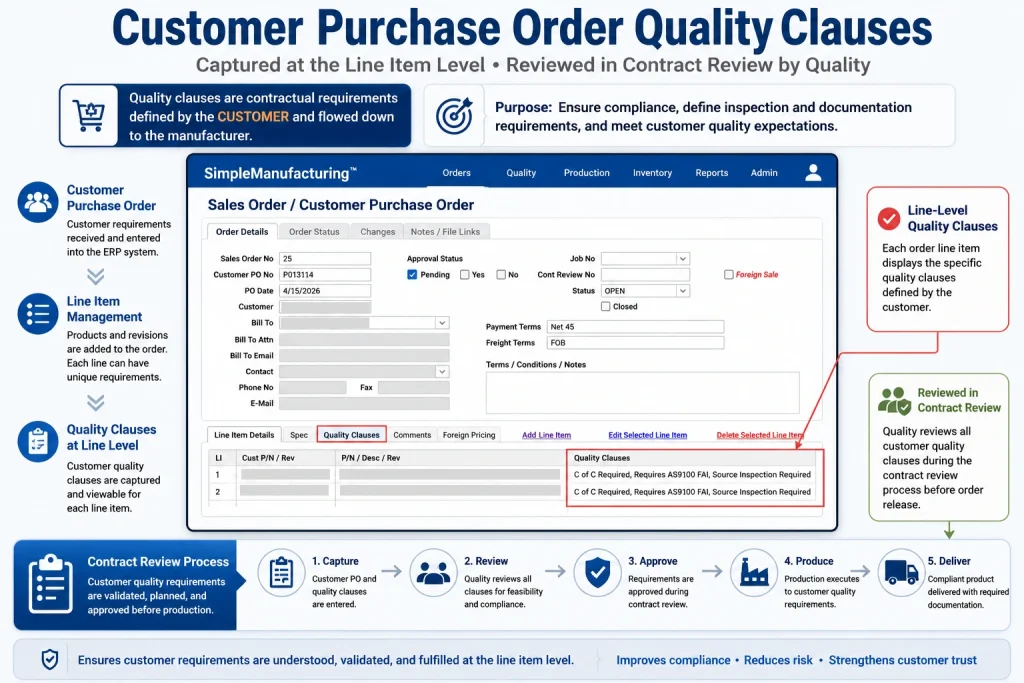
Quality Clauses in Customer Purchase Orders: Manufacturing Requirements and Contract Review Quality clauses in customer Purchase Orders are contractual requirements that define how a manufacturer must produce, inspect, document, trace, package, certify, and deliver a product or service. These clauses are issued by the customer and become part of the manufacturer’s contractual obligations when the […]
Approved Vendor Lists for ISO 9001 and AS9100 Supplier Control
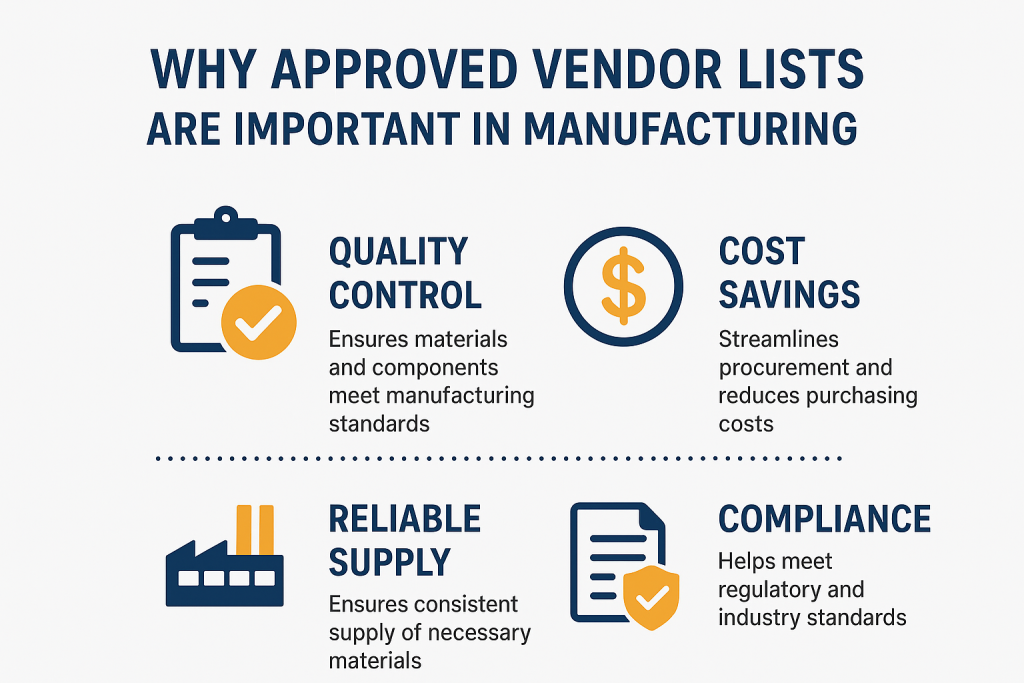
Approved Vendor Lists for ISO 9001 and AS9100 Supplier Control An Approved Vendor List helps manufacturers control which suppliers may provide materials, components, services, and outsourced processes. It also provides documented evidence that suppliers have been evaluated, approved, monitored, and periodically re-evaluated. Purchasing from an unqualified supplier can introduce defective material, counterfeit parts, late deliveries, […]
Employee Training Management Best Practices for Manufacturing

Learn About Employee Training within the Manufacturing Industry, Best Practices for Establishing Training Requirements, Communicating Training Needs and Keeping the Training and Training Records Up-To-Date
Contract Review Best Practices for Manufacturing & Service Industries | SimpleManufacturing™

Learn What is Contract Review for Manufacturing and Service Businesses, Why the Contract Review Process is Important, Benefits of Contract Review and Best Practices
Purchase Orders in Manufacturing Software | Complete Guide | SimpleManufacturing™

Learn What the Term Purchase Order means, the Purposes of Purchase Orders in Manufacturing Software, How they Are Created and the Unique Demands of Manufacturing Businesses
Change Order Management | Engineering Change Orders (ECO) for Manufacturing

Engineering Change Order Management for Manufacturing Engineering Change Order management provides a controlled process for requesting, evaluating, approving, implementing, and documenting changes to products, Bills of Materials, manufacturing routings, drawings, specifications, suppliers, processes, and quality requirements. Manufacturing products and processes rarely remain unchanged throughout their lifecycle. Materials become obsolete, customers revise requirements, suppliers change, quality […]